What to do when you lock your keys in the car
Stay calm and assess the situation
Locking your keys inside the car is frustrating, but panicking only makes it harder to think clearly. The first step is to take a breath and check what you actually have with you. Do you have a spare key at home? Is your phone with you? Are any windows slightly open? These simple facts will shape your next moves.
Check for an easy opening
Before calling anyone, walk around the vehicle and look for a window that is not fully closed. Even a gap of a few inches can be enough to slide a slim tool or a coat hanger in without damaging the weather seal. If you have a soft top or a convertible, check the rear window zippers or latches. Some older cars have manual trunk releases that can be reached from the back seat. None of these approaches guarantee entry, but they cost nothing and take only a minute.
Call for roadside assistance or a locksmith
If you cannot get in on your own, it is time to reach out for help. Many auto insurance policies include roadside assistance that covers lockouts. Some car manufacturers also offer roadside services for their models. If you do not have coverage, a local locksmith can usually arrive within 30 to 45 minutes. When you call, have your vehicle identification number (VIN) and proof of ownership ready. The VIN is typically visible through the windshield on the driver's side dash or on the driver's door jamb. Having this information handy speeds up the process and confirms that the car belongs to you.
Avoid common DIY mistakes
It is tempting to try a coat hanger, a shoelace, or a slim jim, but these tools can do real damage. Sliding a metal rod between the window and the weather stripping can tear the rubber or scratch the paint. A slim jim, if not used correctly, can hit the wiring harness inside the door panel, causing power window or central lock failures. In modern cars with key fobs and transponder chips, forcing entry can also damage the electronics that control the ignition and door locks. If you are not trained, it is safer to leave the work to a professional.
Secure the scene while you wait
While waiting for help, move to a safe spot away from traffic. If you are on a busy road or highway, stand behind a barrier or on the shoulder well clear of moving vehicles. Keep your phone charged and let someone know where you are. If it is dark, use your hazard lights or a reflector triangle if you have one. Do not leave the car unattended with the engine running if you managed to start it before locking yourself out. In cold or hot weather, stay inside a nearby building or vehicle if possible, but keep an eye on your car so you can meet the locksmith when they arrive.
Know what information the locksmith needs
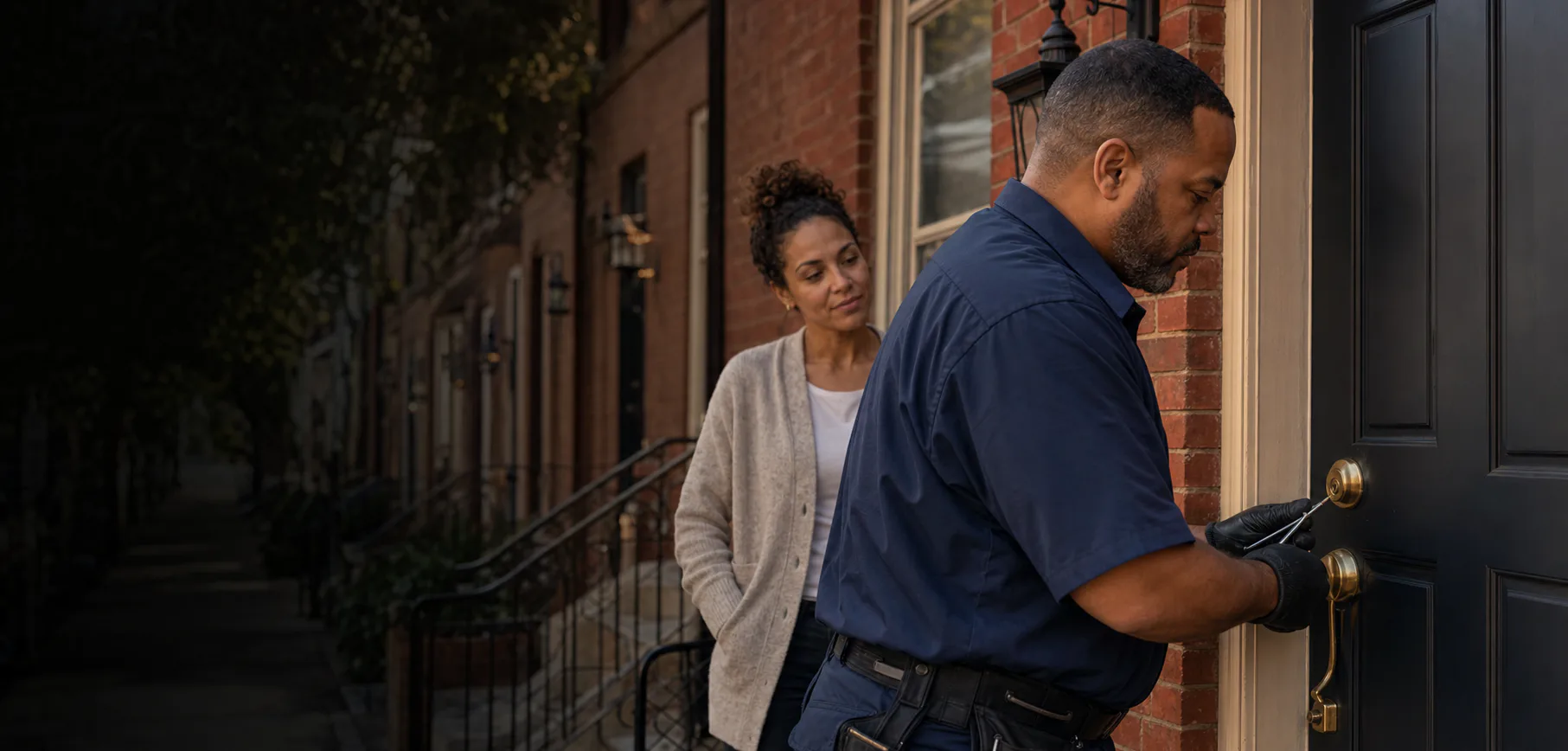
A professional locksmith will ask for several details to ensure a quick and safe opening. Have your car's make, model, and year ready. The locksmith may also need the VIN to confirm the key type and to verify ownership. If your car uses a key fob or a transponder chip, the locksmith may need to program a new remote or cut a new key on site. This is where the phrase "car key replacement" comes into play. For vehicles with electronic locks, the locksmith often brings a device that can communicate with the car's computer to unlock the door without damaging the system. In many cases, they can also handle key fob programming and ignition repairs if needed.
Consider a spare key strategy for the future
Once you are back inside the car, think about preventing this situation from happening again. A spare key kept in a magnetic box under the car is an option, but only if you hide it well and if your car does not have a transponder chip that requires proximity to start. A better approach is to keep a spare key with a trusted friend or family member who lives nearby. Some people also carry a slim, credit-card-sized emergency key in their wallet. For cars with keyless entry, a spare key fob can be stored at home or with a neighbor. If you lose your only key, a locksmith can provide car key replacement on the spot, but having a backup saves time and stress.
Understand the role of your key fob and transponder
Modern keys are not just metal cuts. Most cars built after the mid-2000s use a transponder chip inside the key head that communicates with the car's immobilizer system. Without the correct chip, the engine will not start even if the mechanical key turns the lock. Key fobs also contain a remote that locks and unlocks doors. When you lock your keys inside, the fob may still work if it is within range, but that is rare because the car usually recognizes the fob only when it is inside the cabin. If you have a spare fob at home, someone can bring it to you. Otherwise, a locksmith can program a new fob and cut a new key, provided they have the right equipment and access to the vehicle's code.
What if the keys are in the trunk?
Sometimes the keys end up in the trunk after loading groceries or luggage. If the trunk has a manual release lever inside the cabin, you may be able to reach it from the back seat by folding down the rear seats. Many sedans and SUVs have a trunk release that glows in the dark. If the release is not reachable, you will need a locksmith or roadside assistance. The same VIN and proof of ownership will be required, and the locksmith will either pick the trunk lock or use a tool to release the latch from outside.
Stay safe with a running engine
If you locked yourself out while the engine was running, the situation is more urgent. A running engine uses fuel and could overheat or run out of gas. More importantly, if the car is in an enclosed space like a garage, carbon monoxide can build up. If the engine is running, call for help immediately and do not attempt to break a window unless you can do so safely and without harming yourself or others. Breaking a window should be a last resort because it creates sharp glass and can be expensive to replace. Only consider it if someone is in danger, such as a child or pet inside the car on a hot day.
Final practical reminders
Keep your keys on a lanyard or a clip that attaches to your bag or belt loop. Before closing the door, do a quick pat-down to confirm the keys are in your hand or pocket. If your car has a keyless system, check that the fob is not left on the seat or in a cup holder. Some modern cars will beep if you leave the fob inside and close the door, but not all do. A small habit of checking can save you an hour of waiting and the cost of a service call.
Locking your keys in the car is a common problem, but it is almost always solvable without damage. The key is to stay calm, check for easy openings, call the right help, and have your vehicle information ready. With a little preparation, you can turn an annoying situation into a brief delay rather than a major headache.